September 18, 2026
Explore the essentials of motorcycle suspension systems and the various performance upgrades available to enhance the riding experience. This comprehensive guide will walk you through the components, types, maintenance tips, and modifications, often central to professional motorcycle customization services, that can turn your bike into a high-performing machine.
Understanding Motorcycle Suspension Basics
The Role of Suspension Systems
Suspension systems play a crucial role in determining the ride quality and control of a motorcycle. By absorbing road shocks, they provide a smoother ride and improve rider comfort. Additionally, effective suspension systems ensure better traction, enhancing the handling dynamics of the bike. They are pivotal when navigating rough or uneven surfaces, maintaining stability and grip. The system's function is to bridge the needs of performance and comfort while ensuring safety.
Components of Motorcycle Suspension
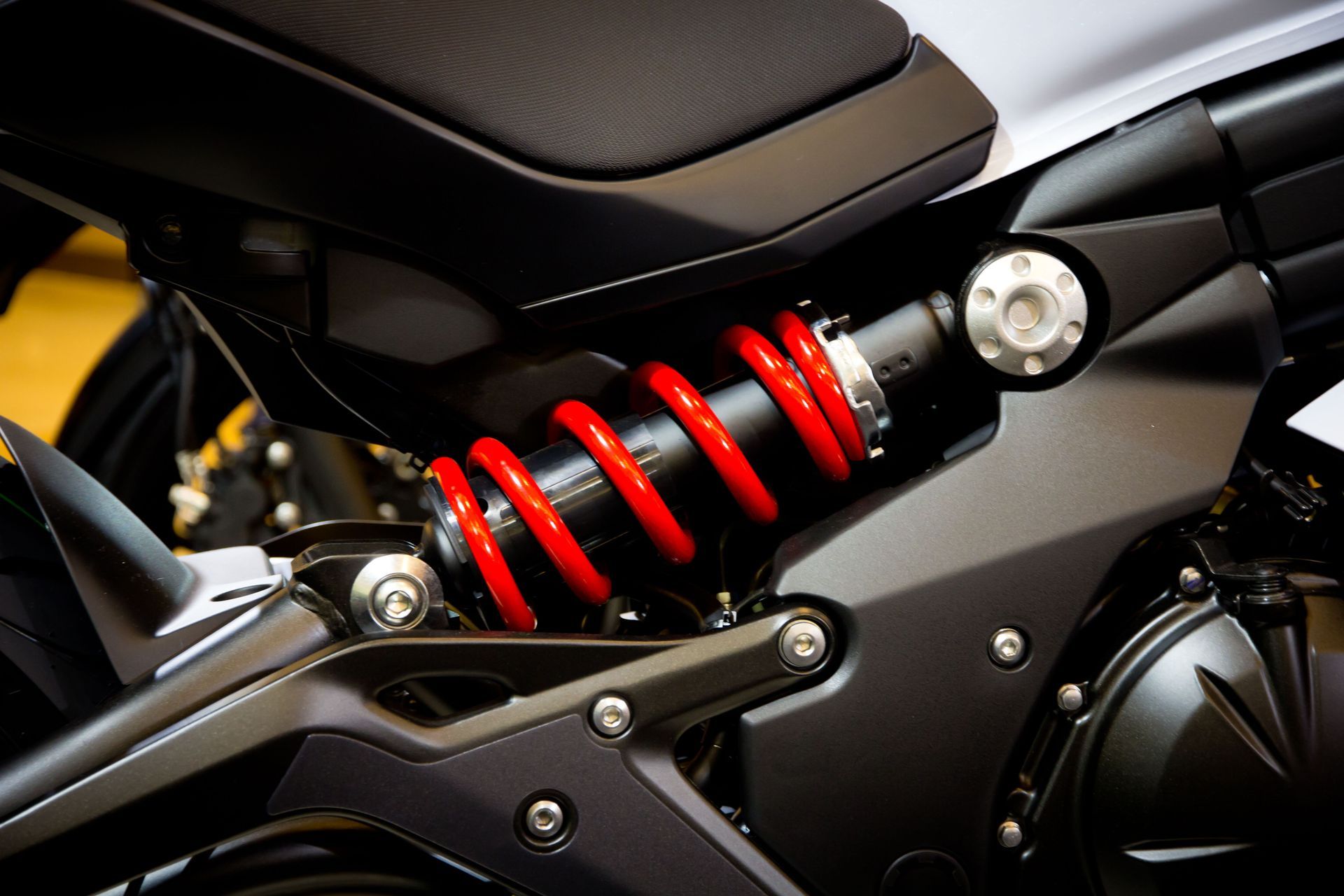
A motorcycle suspension system comprises several components working in harmony. The primary parts include the front forks and the rear shock absorbers, each contributing to the bike's stability. Forks can be telescopic, providing a combination of spring and damping mechanisms for the front wheel. Meanwhile, rear shocks, either dual or mono, ensure the rear wheel maintains contact with the road. These components, paired with linkages and torsion bars, create an intricate network aimed at optimizing ride quality.
Types of Motorcycle Suspension
Motorcycle suspension comes in various configurations, each serving a specific purpose. The telescopic fork is the most common, featuring two tubes sliding in and out to absorb shocks. Mono-shock suspensions utilize a single shock absorber, often combined with advanced linkages for better control. Dual shocks are traditional but still found on cruiser models, prioritizing comfort over performance. Each type impacts ride dynamics differently, influencing how a motorcycle handles various terrains.
Factors Affecting Suspension Performance
Several factors can influence the effectiveness of a motorcycle suspension. Weight distribution plays a significant role in how the bike responds to different conditions. The preload, which adjusts the motorcycle's stance under weight, is crucial for optimal handling. Damping, both for compression and rebound, dictates how quickly the suspension can react to changing road surfaces. Spring rates determine how firm or soft the ride feels, affecting both comfort and road feedback.
Assessing Your Suspension Needs
Identifying Riding Style and Preferences
Determining your riding style is the first step in assessing suspension needs. If you favor aggressive cornering and high-speed stability, a stiffer setup might be necessary. For those who prefer comfort during long highway rides, a softer suspension provides better absorption of road imperfections. Adventure riders who tackle off-road trails require a balance, ensuring control over rocky and unpredictable terrains. Suspension tweaks should align with individual riding habits and preferences.
Evaluating Current Suspension Performance
An evaluation of the current suspension setup can highlight areas for improvement. Begin by noting how the bike handles different speeds and conditions; look for excessive dive, squat, or instability. Feedback from multiple test rides is crucial, allowing you to assess performance under varied circumstances. Checking for visible wear or damage in components can also indicate inefficiencies. Proper evaluation sets the stage for targeted upgrades, a key aspect of top-tier motorcycle customization services, that enhance the overall riding experience.
Common Issues and Their Symptoms
Identifying suspension problems early can prevent larger issues. Common symptoms include excess vibration, uneven tire wear, or a bouncy feeling when riding. Feeling every bump on a road might suggest worn-out shocks or forks. Excessive nosedives during braking indicate a need for damping adjustments. Regular inspection of these symptoms helps maintain optimal suspension performance and prolongs component lifespan.
Importance of Test Rides
Test rides are invaluable for gauging suspension setups and their effectiveness. A ride over varied terrain provides insights into how adjustments impact handling and comfort. Different speeds reveal responses to weight shifts, highlighting potential areas for fine-tuning. Feedback from these rides aids in making precise modifications that align with specific needs. Regular test rides ensure that any changes maintain the bike's balance and improve performance.
Consulting With Professionals
At times, consulting with experts becomes essential for optimal suspension setups, especially when exploring advanced motorcycle customization services. Professionals possess knowledge about specific models and the best-suited upgrades. Suspension specialists can provide insights into complex adjustments, like damping and spring rates. Their expertise ensures modifications are compatible with the bike's design and enhance overall performance. Leveraging professional advice often leads to more effective and satisfying suspension configurations.
Upgrading Suspension Components
Choosing the Right Fork Upgrades
Selecting the right fork upgrades requires understanding specific needs. For sport bikers, inverted forks provide enhanced rigidity and responsiveness. Upgrading to adjustable forks offers the flexibility to tweak damping and preload settings for various conditions. Those tackling rough terrain might opt for beefier stanchions or fork protectors. Each choice should be based on desired performance outcomes and compatibility with the motorcycle's design; something reputable motorcycle customization services can expertly guide you through.
Optimizing Rear Shock Absorbers
Rear shock upgrades significantly impact the handling and comfort of a motorcycle. Upgraded shocks often feature advanced damping systems, allowing for precise adjustments. Opting for models with piggyback reservoirs can enhance cooling and performance under stress. Height-adjustable options permit riders to tweak ground clearance for better road or off-road capabilities. Such upgrades aim to balance enhanced performance with tailored ride quality.
Understanding Fork Cartridges and Internal Kits
Fork cartridges and internal kits can dramatically improve front-end performance. These kits replace traditional damping rods with more sophisticated systems, offering finer adjustability. By allowing independent control over rebound and compression, they enable tuning for specific conditions. Cartridge kits are often the go-to for riders seeking a track-oriented setup. Understanding their benefits and installation requirements is crucial for achieving desired performance gains.
Advantages of Adjustable Suspension Systems
Adjustable suspensions offer unique advantages for performance tuning. They provide the ability to tailor ride characteristics to specific terrains or riding styles. Riders can easily switch between a stiffer setup for track days and a softer one for street commuting. This versatility enhances both comfort and safety, allowing for optimal performance under varied conditions. Adjustable systems are becoming a preferred choice for those seeking ultimate control over suspension dynamics.
Installation Considerations and Guidelines
Installing new suspension components requires precision and adherence to guidelines. Proper tools and techniques ensure new parts fit correctly, maintaining safety and performance. Understanding the manufacturer's specifications and recommendations is crucial for avoiding installation errors. Torque specifications, alignments, and component integrity should be diligently checked. Following these guidelines facilitates safer and more effective suspension upgrades, whether doing it yourself or booking professional motorcycle customization services.
Fine-Tuning Your Suspension Setup
Setting the Sag: Basics and Techniques
Setting the sag is a foundational step in suspension tuning. It entails adjusting the bike's suspension to accommodate the rider's weight and riding gear. Correct sag ensures that the suspension works within its optimal range, balancing comfort and control. Use a calibrated measuring tool and test under typical load conditions for accuracy. Regular sag checks, particularly when changing riding styles or conditions, maintain effectiveness.
Adjusting Preload for Optimal Performance
Preload adjustments tailor the suspension's initial position to the rider's weight and preference. Increasing preload raises the bike's height, firming the ride and enhancing stability at higher speeds. Conversely, reducing preload offers a softer ride, better suited for casual commuting. Proper preload ensures that the suspension operates in its ideal range of travel, optimizing handling. Regular adjustments keep the suspension responsive and adaptable to varying loads.
Tuning Compression and Rebound Damping
Compression and rebound damping control how the suspension reacts to bumps and rebounds. Compression damping adjusts the speed at which the suspension compresses under load, impacting comfort. Rebound damping influences how quickly it returns to its original position, affecting stability. Fine-tuning these settings optimizes suspension behavior for specific conditions, like smooth surfaces or rocky trails. Each adjustment should be tested and refined through on-road evaluations.
Suspension Balance and Alignment
Suspension balance and alignment are crucial for maintaining handling precision. Ensuring the front and rear suspensions work in harmony prevents issues like understeer or oversteer. Proper alignment of suspension components with the motorcycle's frame enhances stability and cornering precision. Periodic checks for misalignment or wear can reveal potential handling issues. Keeping suspensions balanced ensures both safety and peak performance during rides.
Periodic Suspension Checks and Adjustments
Routine checks and adjustments extend the life of your suspension system. Regularly inspecting for oil leaks or damaged components can prevent larger failures. Seasonal adjustments are beneficial, accounting for variations in riding conditions and loads. Small tweaks enhance comfort and control, adapting the bike to evolving needs. Prioritizing periodic maintenance ensures reliability and performance over the motorcycle's lifespan.
Complementary Performance Upgrades
Upgrading Tires for Performance Enhancement
Higher-quality tires profoundly affect suspension performance and rider experience. Performance tires offer improved grip and stability, enhancing cornering and braking power. They work synergistically with upgraded suspensions, providing a harmonious ride over a variety of surfaces. Tires with advanced tread designs can improve traction and are especially crucial for aggressive or off-road environments. Consistently monitoring tire health and wear optimizes suspension response.
Enhancing Brake Systems
An upgraded brake system complements an enhanced suspension by offering improved stopping power and control. Brake pads, rotors, and lines made with advanced materials can reduce stopping distances and offer better modulation. A strong braking system works in tandem with suspension setups, maintaining balance during sudden deceleration. Performance braking systems also contribute to overall safety and precision. Proper synchronization between brakes and suspension fundamentally improves rider confidence.
Sprocket and Chain Modifications
Adjusting sprockets and chain configurations can alter a motorcycle's performance characteristics. New sprockets can change the bike's gearing, providing faster acceleration or higher top speeds depending on setup. These modifications affect how power is delivered to the wheels, influencing overall dynamism. When matched with suspension upgrades, these changes can transform the feeling and capability of the bike. Properly maintaining chain tension and alignment maximizes both performance and component longevity.
Weight Reduction Techniques
Reducing a motorcycle's weight can substantially enhance its performance and handling. Lightweight materials like carbon fiber or aluminum can replace heavier stock components, which is a highly sought-after modification within elite motorcycle customization services. A lighter bike accelerates faster and handles more responsively, which complements a refined suspension setup. Efficient power usage through weight reduction can also improve fuel economy. According to Connecticut Ride Guide, while the average motorcycle gets just over 55 miles per gallon, smaller and mid-sized models frequently achieve up to 70 MPG. Balancing components for weight savings without sacrificing structural integrity is essential.
Engine Tuning's Role in Suspension
Engine tuning complements suspension upgrades by optimizing power delivery and rideability. Adjustments like ECU remapping can refine throttle response and power curves. When combined with suspension tweaks, the ride becomes more cohesive and manageable under aggressive conditions. Fine-tuning the engine ensures that each power cycle complements the suspension response, creating a smoother journey. Understanding both the engine and suspension's roles in performance provides a holistic upgrade approach.
Maintaining Your Upgraded Suspension System
Regular Inspection Routines
Routine inspections are essential for sustaining suspension performance and safety. Regularly checking for leaks, rust, or worn components prevents larger issues. Comprehensive inspections prior to long trips can avert unexpected failures during rides. Early detection of problems facilitates timely repairs, maintaining ride quality. Adopting a consistent inspection routine reinforces the longevity and reliability of the suspension system.
Lubrication and Cleaning Practices
Proper lubrication and cleaning significantly impact suspension longevity. Regularly cleaning components removes dirt and debris that can cause wear and tear. Quality lubricants reduce friction, enhancing the efficiency and lifespan of moving parts. Keeping the suspension system free of contaminants ensures smooth operation, protecting against premature damage. Consistent cleaning and lubrication practices provide long-term benefits to performance and reliability.
Identifying Wear and Tear
Recognizing signs of wear ensures timely intervention and prevents further damage to the suspension. Excessive noise, leaks, or changes in ride height can indicate component degradation. Regular visual inspections can catch potential issues early, allowing for budget-conscious repairs. Remaining vigilant about the condition of parts like seals and bushings can prevent sudden failures. Addressing wear and tear promptly ensures the suspension remains functional and effective, which is why many riders schedule routine checks alongside their preferred motorcycle customization services.
Long-Term Strategies for Optimal Performance
Long-term strategies guarantee sustained suspension performance and rider satisfaction. Scheduled maintenance, component checks, and continual learning about adjustments are foundational. Upgrading ancillary parts like tires and brakes further complements suspension improvements. Continuing education on technology advancements ensures informed decisions regarding future upgrades. Emphasizing both immediate care and forward-planning supports a high-performing suspension system over time.
Transforming your motorcycle into a highly responsive, finely-tuned machine is an ongoing journey that extends well beyond a single upgrade. By understanding the intricacies of your suspension system, dialing in your sag and damping, and pairing those adjustments with complementary enhancements like high-performance tires and upgraded brakes, you create a harmonious balance between comfort and aggressive control. Remember that even the most advanced aftermarket components require diligent, proactive maintenance to function at their peak. Whether you are tackling unpredictable off-road trails, navigating dense urban traffic, or leaning into a sweeping canyon curve, a meticulously maintained and thoughtfully upgraded motorcycle consistently rewards you with a safer, more exhilarating ride. When you are ready to take your handling to the next level and explore specialized motorcycle customization services, stop by Bill's Motorcycle Shop for a free visual bike inspection and let our 30 years of expert experience perfectly dial in your ride.